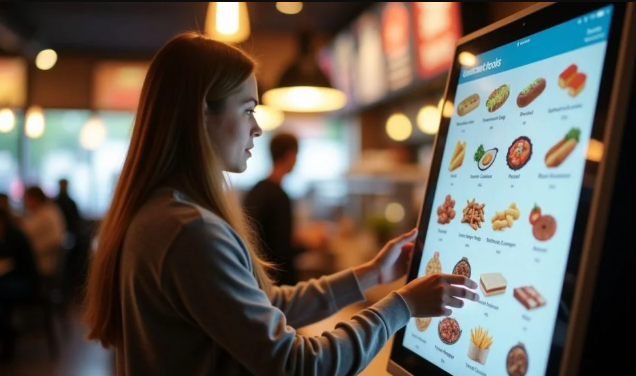
In the competitive food and beverage industry, efficiency and customer satisfaction are the twin pillars of success. Restaurant kiosk ordering systems have emerged as one of the most effective technologies for achieving both simultaneously. From global quick-service chains to independent casual dining operators, kiosk ordering is reshaping how restaurants serve their guests and manage their operations.
Why Restaurant Kiosk Ordering Has Gone Mainstream
A decade ago, kiosk ordering was primarily the domain of major fast-food chains with significant technology budgets. Today, accessible software-as-a-service (SaaS) platforms have democratized this technology, making it available to restaurants of all sizes. The COVID-19 pandemic accelerated adoption even further, as operators sought contactless service solutions and consumers became more comfortable with self-service technology across all industries.
The result is a market where kiosk ordering has become an expectation rather than a differentiator — customers are increasingly surprised when a modern quick-service restaurant does not offer a self-ordering option.
See also: Best Peptides for Skin: Ranked Sources and Picks
Core Features of an Effective Kiosk Ordering System
Not all kiosk platforms are created equal. When evaluating systems for your restaurant, prioritize the following capabilities:
Dynamic Menu Management
Your kiosk should reflect your actual menu in real time — including item availability, pricing updates, and seasonal specials. Manual updates or delays between your POS and kiosk create operational headaches and customer frustration. A well-integrated system keeps everything synchronized automatically.
Intelligent Upselling and Cross-Selling
The best kiosk platforms include smart recommendation engines that suggest complementary items based on the customer’s selections. “Would you like to add fries?” feels natural on a screen and statistically increases attachment rates significantly.
Seamless Payment Processing
Customers expect to pay how they want — credit card, debit card, contactless, QR code, or digital wallet. A kiosk that limits payment options loses customers who would otherwise complete their purchase.
Customer Identification and Loyalty Integration
Allowing customers to identify themselves at the kiosk — through a loyalty app, phone number, or QR code — enables personalized ordering suggestions and automatic rewards accumulation, driving repeat visits.
For restaurant operators exploring how to implement a comprehensive kiosk ordering solution, a specialist platform focused on restaurant kiosk ordering offers the technology infrastructure needed to deploy effectively across single or multiple locations.
Implementation Considerations for Multi-Location Operators
For restaurant groups operating multiple locations, kiosk ordering systems must be scalable and centrally manageable. Menu changes, promotional pricing, and new item launches should be deployable across all locations from a single management interface, without requiring on-site IT visits.
Cloud-based kiosk platforms provide this flexibility, allowing head office to control the customer-facing menu experience across the entire network efficiently.
FAQs
Q1: How do kiosk ordering systems handle peak hour traffic? Kiosks are inherently parallel processing systems — multiple customers can place orders simultaneously without waiting for a single cashier to become free. This significantly reduces peak-hour queue lengths and wait times.
Q2: What happens if a kiosk malfunctions during service? Reliable kiosk platforms include remote monitoring and technical support. In practice, a hybrid approach — kiosks alongside some staffed counter capacity — ensures service continuity even during technical issues.
Q3: How should staff roles change after kiosk implementation? Staff can shift from order-taking to more value-adding activities: greeting customers, assisting those who need help with the kiosk, managing the dining experience, and maintaining food quality and speed of service.
Conclusion
Restaurant kiosk ordering represents one of the most impactful technology investments an F&B operator can make. The combination of increased order accuracy, higher average transaction value, reduced labour pressure during peak hours, and improved customer experience creates a compelling return on investment. With the right platform and implementation approach, kiosk ordering becomes a competitive advantage that pays dividends for years to come.